A culture of remembrance in Dresden Elbland
Experiencing memories
The events of the Second World War and the Nazi era continue to shape Dresden to this day. The destruction of the city and its reconstruction are central focal points of remembrance and social debate. Places such as the Frauenkirche symbolise reconciliation and a new beginning. At the same time, it is clear how deeply the historical traces are embedded in the cityscape and the region. Residents and visitors alike are invited to explore these places and engage with history.
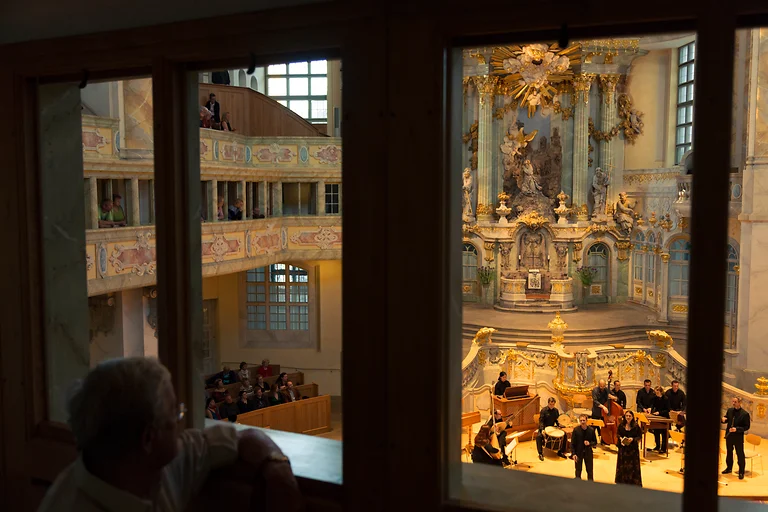
Places of worship
Dresden’s places of worship tell a story of faith, destruction and new beginnings. Churches and synagogues not only shape the cityscape, but are also places where a living culture of remembrance thrives. Many of them were severely damaged during the Second World War or deliberately destroyed under National Socialism – and were later rebuilt or preserved as memorial sites. Today, they stand for peace, reconciliation and dialogue between the past and the present. Whether it is the Frauenkirche, the Kreuzkirche, the New Synagogue or the DenkRaum Sophienkirche: their eventful history makes them important places of remembrance and active peace work in Dresden.
Places of tranquillity and reflection
Cemeteries
Dresden’s cemeteries are places of peace and remembrance. The Heidefriedhof commemorates the victims of the air raids of 1945, whilst the St. Pauli Cemetery honours prisoners of war, victims of political violence and the children of forced labourers. Both sites continue to bear witness to history and the changing culture of remembrance to this day.
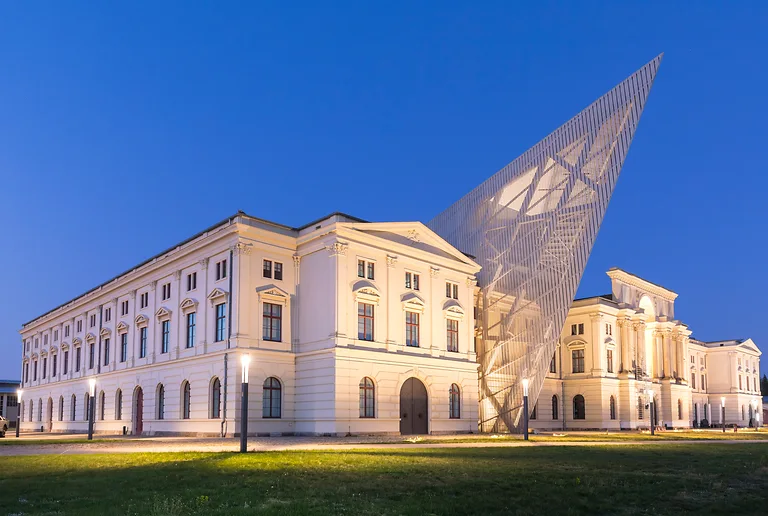
Historic sites
Where people now stroll across the Altmarkt, study or enjoy cultural activities, there are places with a turbulent history. Dresden’s historic sites serve as reminders of war, destruction, persecution and political violence during the Nazi era. They highlight just how closely the past and present are intertwined and invite visitors to see the city in a different light.
Symbols of remembrance and change
Monuments
As the name suggests, monuments are intended to commemorate. At the same time, they are always a reflection of their era and the political circumstances of the time, which is why they are sometimes subject to critical scrutiny.
Discover the Dresden Elbland newsletter!
Stay up to date